
Tyres
Type of Tyre
There are three different types of road tyres to consider.
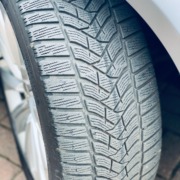
- Winter Tyre – These tyres are designed to work best at temperatures drop below 7°C. Their tread pattern is deeper with more grooves helping move large amounts of water and allowing the tyre to warm quicker delivering better grip in the cold and icy weather.
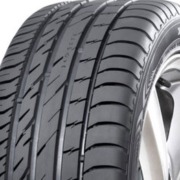
- Summer Tyre – Some manufactures refer to them as standard tyres, these are designed to work at temperatures over 7°C and are at their optimum performance at 25°C. They have a tread pattern designed to grip the road in dry conditions but also be able to move enough water to decrease the chance of aquaplaning (when the car lifts above the tarmac and floats above the water due to the tyre losing contact with the road surface)
- All Season Tyre – These are a great option if you don’t intend to change tyres with seasons and run one tyre all year round. They will offer adequate performance in mild winter months. Not recommended for performance cars as they do not offer the same amount of grip that the summer tyre does, this will affect the cars handling at high speed and stopping ability.
Tyre Rating
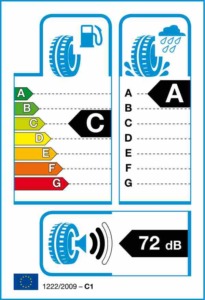
All tyres sold in the UK are assessed on three key areas of tyre performance and given a rating in each category for an EU tyre label.
- Fuel Efficiency – How economic is the tyre?
- Wet Grip – How quickly can the tyre stop in wet conditions?
- Exterior Noise – How noisy is the tyre?
These ratings can be very misleading because all tyre tests are carried out at 25 degrees celsius. Most tyre manufacturers agree that a summer tyre will stop quicker at 25 degrees than a winter tyre, this is because the winter tyre is designed to offer superior performance at 7 degrees and below, not 25 degrees.
Tyre pressure
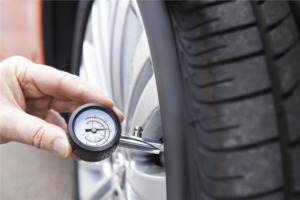
Tyre pressure is described in Pound Per Square Inch or PSI. You can find out what the PSI of your tyres is in 3 different ways:
- Use a tyre pressure gauge. They cost around £12. Photo
- Newer cars have tyre pressure monitoring information on the MMI (Multi-Media Interface)
- Use a service station AIR pump.
What pressure should your tyre be inflated to? Most passenger cars will recommend 28 PSI to 32 PSI. You can this information in:
- Owners manual
- A sticker located on the inside of the driver’s door.
- An online search for your vehicle tyre information.
If one or more of your tyres are below 30 PSI check for tyre damage.
Tyre tread depth
A new, standard road tyre has 9mm of tread depth, the legal tyre tread depth is 1.6mm. Many tyre manufacturers believe the 1.6mm legal minimum is insufficient to guarantee safety – tread depth of 3mm could reduce the braking distance in the wet by 44%!
In heavy rain, each tyre can move up to one gallon of water every second, deeper tread means they can work better, improving grip. The 20p test is a simple way of checking the tyre tread, the outer band of a 20p coin is 2mm. As long as your tread is deeper than the frame of a 20p coin your tyres are legal. You can also purchase a tyre tread gauge for around £5.
Tyre damage
Checking your tyres is one of the most important checks you need to do, a worn or damaged tyre is an accident waiting to happen. Here are some useful tips. If you find a screw/nail in the centre of the tread these can usually be repaired as long as it’s no wider than 6mm. If any part of the sidewall is damaged you should no longer drive on it as it could fail at any time. Common sidewall issues are bubbles and screws/nails. It is not safe to drive with these so replace them as soon as possible!